Service & Support
We provide high-end printing solutions, combining advanced technology and exquisite craftsmanship to create an excellent printing experience for your brand.

After-sales department 24/7 online service
Provide engineers to install and debug equipment on site
Multilingual overseas engineers provide local after-sales service
Manufacturers provide professional technical training and operation guidance
Provide 1-year free warranty and lifetime after-sales service
More services...
Advantages
High Flexibility: Digital printing can easily accommodate small runs or even single pieces, making it perfect for customization and personalization.
Quick Turnaround: There is no need for plate-making, significantly reducing the time from design to finished product, ideal for urgent orders or quick turnarounds.
Cost-Effective: For small-batch production, digital printing can be less expensive because it avoids the substantial upfront work required for traditional printing.
Variable Data Printing: Supports dynamic changes in text or images on each print piece, meeting personalization needs.
Environmentally Friendly: Reduces the use of chemical solvents and waste generation, aligning better with sustainable practices.
Disadvantages
Cost Issues: For large-volume printing, the unit cost of digital printing may be higher than traditional printing.
Printing Speed: Although digital printing is fast, it may still not match the efficiency of traditional printing for handling large volumes.
Color Reproduction: While modern digital printing technology has advanced significantly, its color reproduction capability might not match traditional printing in certain cases.
Advantages
Cost-Effectiveness: For large-volume printing, traditional printing is less expensive because it benefits from economies of scale.
Print Quality: Traditional printing often excels in color saturation, clarity, and detail, particularly when using special inks or spot colors.
Printing Speed: Traditional printing presses can achieve high-speed continuous printing, suitable for mass production.
Material Adaptability: Traditional printing can handle a wide variety of substrates, including thicker papers and other specialty materials.
Disadvantages
Low Flexibility: Traditional printing requires plate-making, and once the design is set, changes are difficult and costly.
Long Lead Times: The entire process from design to finished product takes longer, including plate-making and proofing steps.
Minimum Order Quantities: Traditional printing often has minimum order quantity requirements, unsuitable for small runs.
Environmental Concerns: Plate-making processes can involve the use of harmful chemicals, impacting the environment.
The choice between digital single-pass printing and traditional printing depends on specific project requirements. If you need small-batch personalized products or require quick responses to market changes, digital single-pass printing is likely the better choice. Conversely, if your project involves large-volume production and you have high demands for print quality and cost, traditional printing might be the more appropriate option.
Single Pass (SP) printers using direct-to-substrate (DTS) or direct-to-media (DTM) printing technology offer several advantages over traditional printing methods. Direct-to-substrate printing, also known as "direct-to-board" or "direct-to-box" printing in the case of corrugated box manufacturing, involves printing directly onto the substrate without the need for intermediate steps such as transferring the image from a plate or film.
Here are some key points about Single Pass direct printing technology:
Advantages of Single Pass Direct Printing
High Speed:
SP printers are designed for high-speed production, making them ideal for applications requiring fast throughput, such as corrugated box printing.
Quality:
They can produce high-resolution prints with excellent color saturation and accuracy, which is crucial for branding and marketing purposes.
Efficiency:
By eliminating the need for pre-printed sheets or transfer processes, the workflow is streamlined, reducing the time and cost associated with setup and changeovers.
Flexibility:
These printers can handle a variety of substrates and sizes, allowing for versatile printing applications, including customized and short-run jobs.
Consistency:
Single Pass printing ensures consistent quality across the entire run, which is important for maintaining brand integrity.
Sustainability:
By reducing waste and using efficient processes, these printers contribute to a more sustainable printing environment.
Customization:
They support variable data printing and personalization, which is beneficial for targeted marketing campaigns.
Technical Details
Print Head Configuration:
In Single Pass printing, the print heads remain stationary while the substrate moves beneath them. This allows for continuous printing without the need for the print head to move back and forth.
Ink Types:
Different ink types can be used depending on the substrate and application, including water-based, UV-curable, and solvent inks.
Maintenance:
Advanced maintenance systems, such as automatic cleaning and capping mechanisms, help ensure uninterrupted operation and consistent print quality.
Automation:
Many Single Pass printers feature advanced software controls and automation technologies, such as seamless job changeover and color management, to optimize the printing process.
Examples and Applications
Corrugated Box Printing:
Single Pass printers are particularly well-suited for corrugated box printing, where they can provide high-quality, durable prints directly onto the cardboard.
Packaging and Label Printing:
They are also used for various packaging and label applications, offering high-speed, high-quality printing on a range of materials.
Textile Printing:
In textile printing, Single Pass technology has been adopted for direct printing on fabrics, providing fast and flexible production capabilities.
In short,Single Pass direct printing technology offers significant benefits for industries that require high-speed, high-quality, and flexible printing solutions.
It is particularly valuable in the corrugated box and packaging industries due to its efficiency and ability to handle a wide range of substrates and print sizes
With the rapid development of information technology and the advent of the digital printing era, the traditional printing industry is undergoing profound changes. Among these, digital single-pass printing machines have become prominent in the commercial printing sector due to their unique technological advantages. This article will provide a detailed overview of the working principles, features, advantages, and application areas of digital single-pass printing machines, helping readers gain a comprehensive understanding of this technology.
I. Introduction to Digital Single-Pass Printing
Digital single-pass printing is a technology that directly converts digital files into physical print products without the need for plate-making processes, enabling one-stop service from data to finished product. It is especially suitable for small-batch and customized production needs, characterized by speed and flexibility.
II. Working Principle
Digital single-pass printing machines typically use either laser (electrophotography) or inkjet technology for printing.
Electrophotography
Charging: A corona discharge device charges the surface of the photoreceptor with negative charge.
Exposure: Lasers based on the image information in the digital file illuminate the photoreceptor, removing the charge in the exposed areas to form a latent electrostatic image.
Development: When the photoreceptor passes through the developer station, toner particles are attracted to the positively charged areas, forming a visible image.
Transfer: The developed image is transferred to the substrate (such as paper) via an electrostatic field.
Fusing: The image is fixed to the substrate through heating or heating and pressure.
Inkjet Technology
Thermal Inkjet: Heating elements instantaneously heat the ink, creating bubbles that push the ink out of the nozzles.
Piezoelectric Inkjet: Piezoelectric materials deform when voltage is applied, forcing ink out of the nozzles.
III. Features and Advantages
High Flexibility: Direct printing from digital files without the need for plates makes it ideal for short runs and personalized printing.
Speed: Eliminates the time-consuming preparation steps of traditional printing, significantly increasing production efficiency.
Cost-Effectiveness: For small-batch printing, it can substantially reduce unit costs.
Environmental Friendliness: Reduces the use of chemical solvents and waste generation.
Consistent Quality: Ensures consistent quality across every printed piece through precise control.
Variable Data Printing: Supports dynamic changes in text or images on each print piece, meeting personalization needs.
Medium Compatibility: Can adapt to various types of substrates, including paper, plastics, metals, etc.
IV. Application Areas
Digital single-pass printing is widely used in business cards, brochures, posters, book covers, personalized gifts, and more, particularly in:
Commercial Printing: Including business documents such as business cards, flyers, brochures, etc.
Packaging Printing: Suitable for packaging labels for food, pharmaceuticals, and other products.
Art Reproduction: High-quality reproduction and limited edition printing of artworks.
Personalized Printing: Printing of personalized T-shirts, cups, and other gifts.
V. Future Trends
As technology continues to advance, future digital single-pass printing technologies will become even more mature and advanced, with faster printing speeds and improved print quality. At the same time, with increased environmental requirements, more environmentally friendly printing materials and technologies will be widely adopted.
This guide provides a comprehensive look at the world of digital single-pass printing, highlighting its capabilities and potential applications.
High Speed:
Single Pass printers can print at very high speeds, making them ideal for high-volume production environments.
High-Quality Output:
This technology provides clear, vibrant, and detailed prints suitable for high-quality packaging designs.
Production Flexibility:
Single Pass technology can handle different sizes and shapes of boxes, enabling diverse printing tasks on the same machine.
Cost-Effectiveness:
Due to its efficient production process, it significantly reduces unit costs, especially in large-scale production.
Reduced Waste:
The fast and precise printing reduces the number of defective products due to printing errors, minimizing material waste.
Environmental Friendliness:
The efficient production process means lower energy consumption and faster turnaround times, contributing to a reduced overall carbon footprint.
Personalized Printing:
For orders that require custom printing, Single Pass printers can handle small batches or even single units with personalized needs.
Easy Maintenance:
With fewer mechanical moving parts, these machines are typically easier to maintain and have a lower failure rate.
Versatility:
Single Pass printers can use various types of inks, such as water-based, solvent, or UV-curable inks, providing more options for corrugated box printing.
Advancements in Technology:
As the technology evolves, Single Pass printers continue to improve in features like higher resolution and wider print widths, enhancing their value in the corrugated box printing industry.
When choosing a single-pass printer for corrugated box printing, please consider specific requirements (such as printing area, speed, color requirements), budget, and possible future upgrades.
Sunthinks' single pass digital printers not only have a wide range of printing sizes, you can find the model that suits you best at Sunthinks, and Sunthinks is the first manufacturer in China to start developing and producing single pass printers and printing technology, starting in 2018. So far, it is the Chinese brand with the largest sales volume in the world.
Over the years, with the continuous updating of technology, multiple generations of models have been iterated, and cooperation agreements have been signed with world-renowned print head brands such as Epson and HP to ensure that every printer of Sunthinks uses a brand new print head.
Regarding after-sales issues, we have a dedicated overseas after-sales engineer team that can provide you with online and offline services. When you place an order at Sunthinks, the factory will immediately arrange production for you, and each link in the middle will be reported to you. After the machine is produced, we will conduct an online video inspection with you. When you are sure, we will arrange for delivery. When you receive the printer, we will provide online guidance on assembly and debugging of the printer. Of course, if you need, we will provide you with door-to-door service and arrange professional engineers to go to your machine location to provide on-site service and training for your printer operator.
When all the work is completed, you can use it normally, and if you have any problems during the period, you can contact Sunthinks and we will solve the problems you encounter for you.
So, except for paying, you don’t need to worry about anything.
In today’s digital and fast-paced world, every second counts. For both businesses and individual users, improving efficiency has become a necessary condition for success. The UV Single Pass digital printer, with its innovative technology, opens a new chapter in high-speed printing.
UV Single Pass technology is an advanced printing method that uses ultraviolet-curable ink to print in a single pass, significantly increasing printing speed and efficiency. Compared to traditional multi-pass printing, UV Single Pass printers can complete large printing tasks in very short periods while ensuring exceptional print quality.
UV Single Pass digital printers use the latest printhead technology and precise ink control to achieve high-speed, high-quality printing on various substrates. Whether it’s hard materials like metal plates or glass, or flexible materials like plastic films or fabrics, UV Single Pass printers can handle them all, ensuring that every printed piece has vibrant colors and fine textures.
UV Single Pass digital printers are suitable for multiple industry sectors, including but not limited to advertising, packaging, decoration, home goods manufacturing, and more. Whether it’s large billboards or small gift packaging, UV Single Pass printers provide consistent high-quality print results, meeting diverse customer needs for personalization.
UV Single Pass printers use eco-friendly UV inks that do not contain volatile organic compounds (VOCs), reducing environmental impact. Moreover, UV inks cure almost without heat, making the entire printing process more energy-efficient and aligned with sustainability principles.
UV Single Pass digital printers are equipped with advanced automation control systems and intuitive user interfaces, allowing users to manage and monitor the printing process easily. Whether it’s a single task or batch printing, it can be set up and scheduled through smart software, greatly improving work efficiency.
High-Speed Printing: UV Single Pass technology achieves extremely high printing speeds, significantly enhancing production efficiency.
High-Quality Output: Even at high speeds, it maintains excellent print quality, ensuring clear images and vibrant colors.
Wide Range of Applications: Suitable for various materials and surfaces, including plastics, metals, wood, glass, and more.
Eco-Friendly and Energy Efficient: The UV ink curing process requires almost no heat, reducing energy consumption and environmental impact.
Easy Maintenance: Advanced automation control systems make maintenance simple and quick, minimizing downtime.
Smart Operation: User-friendly interfaces and software support make it easy for even non-professionals to master.
Background: A busy commercial district advertising company faced significant competitive pressure and needed to complete large quantities of high-quality printing tasks quickly to meet client demands for billboards, posters, and other promotional materials.
Solution: The company introduced UV Single Pass digital printers to achieve fast and high-quality printing. UV Single Pass technology not only increased printing speed but also reduced production costs. By using advanced UV inks, they could offer clients a one-stop service from design to finished product, earning widespread praise.
[Case 2] A Home Goods Manufacturer
Background: A manufacturer specializing in high-end home goods aimed to enhance the aesthetic appeal and market competitiveness of their products by adding personalized patterns and logos.
Solution: This manufacturer chose UV Single Pass printers to add personalized patterns to their products. The flexibility and efficiency of these printers allowed them to complete large custom orders in a short time while ensuring the durability and vibrancy of the patterns.
Outcome: The application of UV Single Pass printers not only enhanced the appearance of the products but also significantly shortened the cycle from design to production, improving overall production efficiency. The efficiency and flexibility of these printers enabled the company to gain a significant increase in market share within a short period, with sales rising by 20%.
[Case 3] A Packaging Design Studio
Background: A packaging design studio was dedicated to providing unique and high-quality packaging design solutions to its clients. As the business grew, they needed a printing solution that could meet high-precision printing requirements and have rapid production capabilities.
Solution: The studio introduced UV Single Pass digital printers to enhance its competitiveness in the packaging design field. UV Single Pass technology not only provided high-quality printing results but also enabled printing on a variety of materials, offering clients more diverse options.
Outcome: The application of UV Single Pass digital printers significantly increased the studio’s production efficiency and enhanced its competitive advantage in the market. The studio could provide clients with more refined and diverse packaging design solutions, earning high recognition and a 30% increase in business volume.
With its outstanding performance, broad applicability, and eco-friendly characteristics, the UV Single Pass digital printer is becoming the preferred printing solution across industries. If you are looking for a printing technology that can improve production efficiency, reduce costs, and create more value for your business, then the Sunthinks UV Single Pass digital printer is the ideal choice.
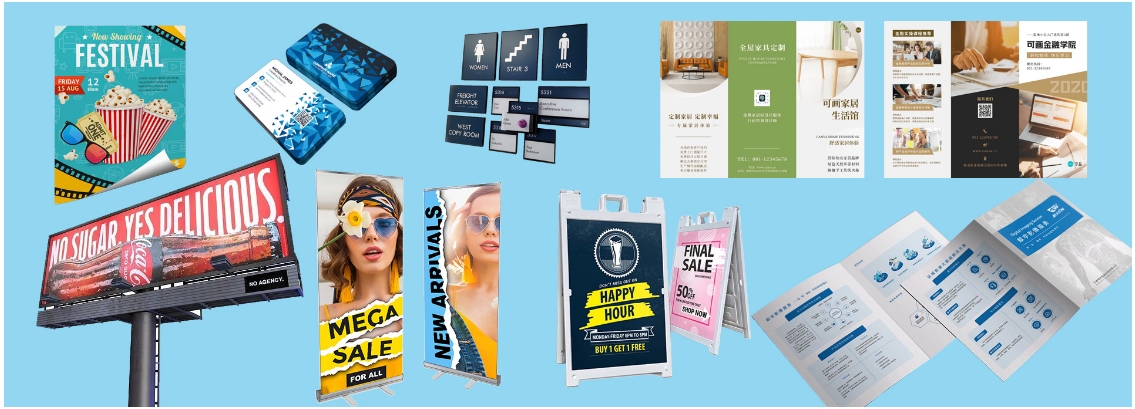
Application: Large outdoor billboards, posters, banners, exhibition stands, signage, etc.
Case Study: An advertising agency uses a UV single pass printer to produce high-quality outdoor billboards to meet urgent project demands from clients.

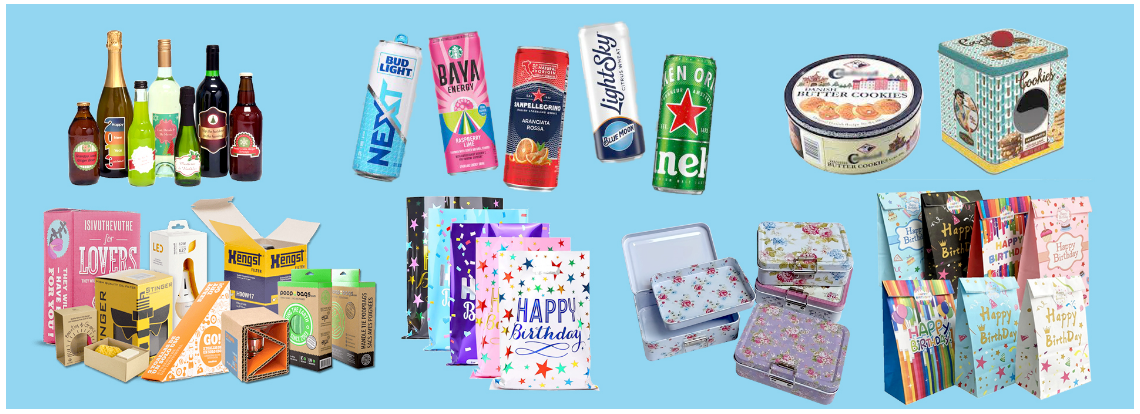
Application: Packaging boxes, gift bags, labels, bottle labels, cans etc.
Case Study: A beverage packaging manufacturer uses a UV single pass printer to print personalized patterns directly on metal sheets to make personalized customized can packaging, enhancing product appeal and competitiveness.

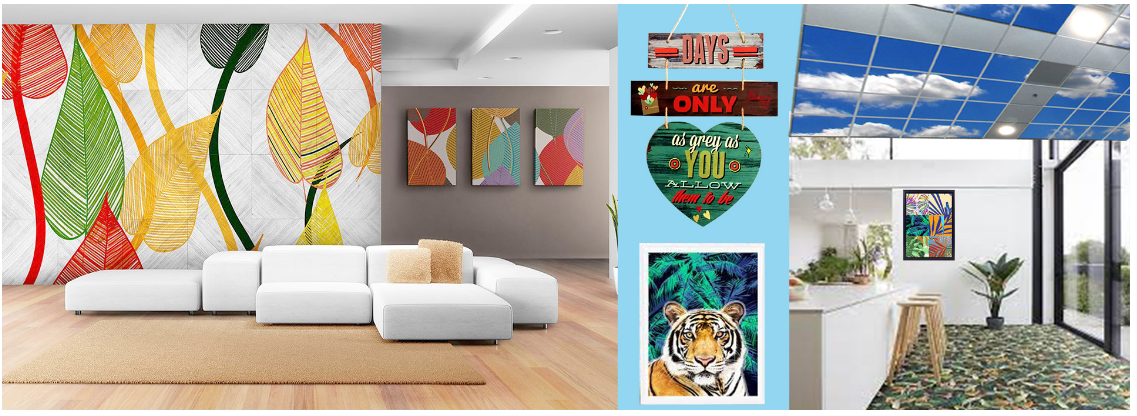
Application: Integrated ceilings, background walls, flooring, door panels, furniture surface decorations, etc.
Case Study: A home decor company uses a UV single pass printer to customize aluminum ceiling tiles with personalized patterns for customers
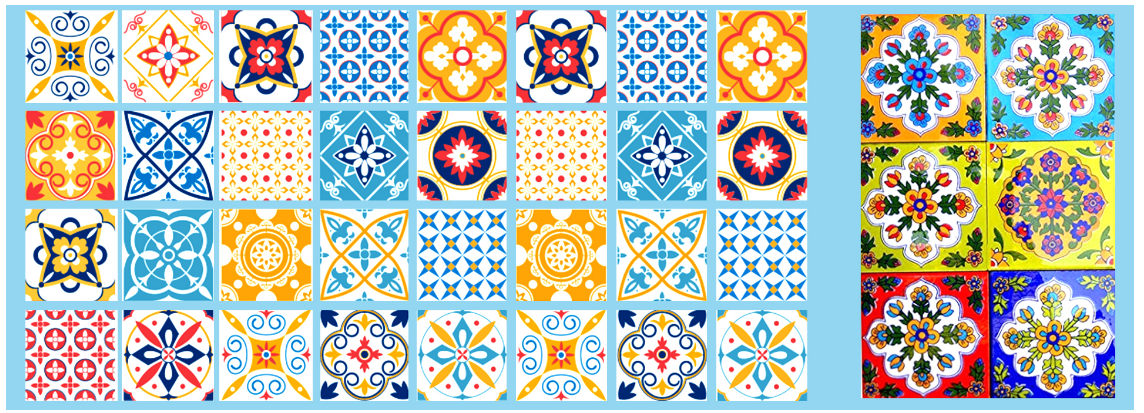
4. Ceramics and Tiles Industry
Application: Ceramic tableware, tile backgrounds, decorative tiles, etc.
Case Study: A ceramic factory utilizes a UV single pass printer to print high-definition patterns on tiles to meet customer demands for personalized home decor.

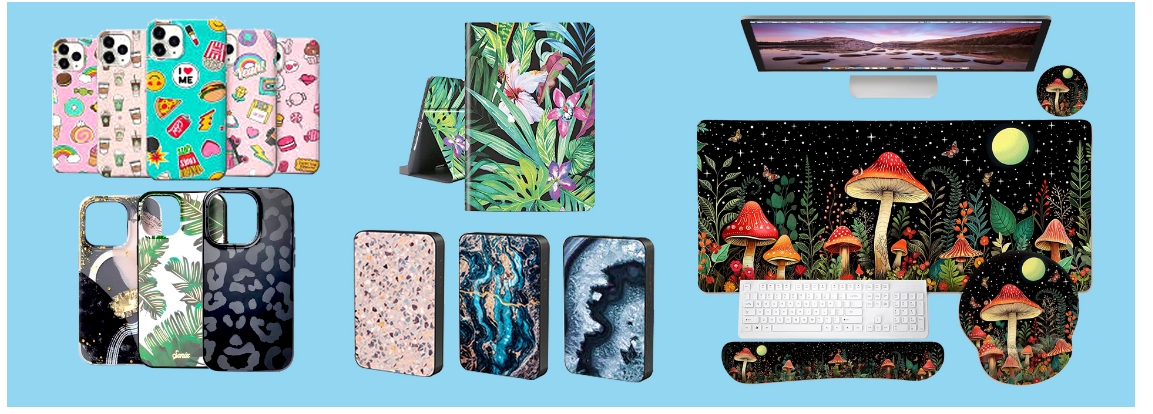
Application: Phone cases, power bank shells, charger cases, mouse keyboards, etc.
Case Study: An electronics accessories supplier uses a UV single pass printer to print customized patterns on phone cases, increasing product differentiation and brand recognition.

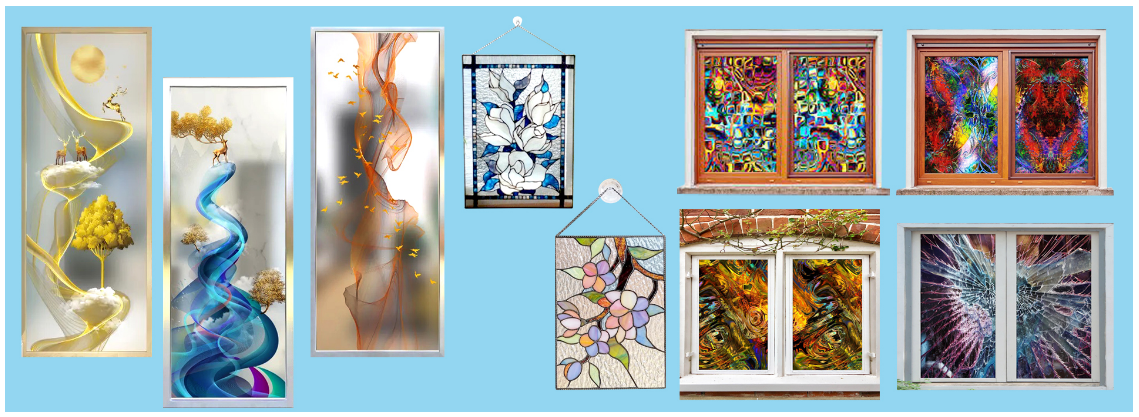
Application: Glass partitions, glass doors and windows, glass decorations, etc.
Case Study: A glass products company uses a UV single pass printer to print exquisite patterns on glass for high-end restaurant interior decor.

Application: Leather bags, shoes, clothing, textile decorations, etc.
Case Study: A fashion brand uses a UV single pass printer to print custom patterns on leather bags to enhance uniqueness and brand identity.
Application: Mechanical parts, electronic components, instruments, etc.
Case Study: A manufacturing enterprise uses a UV single pass printer to print durable markings on metal parts to improve traceability and brand awareness
Application: Art paintings, photographs, picture frames, etc.
Case Study: An artist uses a UV single pass printer to reproduce their artwork for exhibitions and sales, maintaining consistency and high quality.
Application: Stickers, book covers, magazine covers, business cards, etc.
Case Study: A printing company uses a UV single pass printer to print high-quality labels and print products on various materials to meet diverse customer needs.
Application: Wall decorations, building facades, architectural models, etc.
Case Study: An architectural design firm uses a UV single pass printer to print detailed patterns on special materials for architectural models, making designs more intuitive and attractive.
Application: Car interiors, dashboards, car decals, etc.
Case Study: An automotive manufacturer uses a UV single pass printer to print custom patterns on dashboards to enhance the aesthetics and personalization of vehicle interiors.
Application: Sports equipment, fitness equipment decorations, sports venue signs, etc.
Case Study: A sports brand uses a UV single pass printer to print vibrant patterns on yoga mats to attract young consumers' attention.
Application: Teaching tools, student supplies (such as bookmarks, folders), school logos, etc.
Case Study: A school uses a UV single pass printer to produce personalized teaching materials, enhancing students' interest in learning.
Application: Guest room decorations, souvenirs, travel guides, etc.
Case Study: A resort uses a UV single pass printer to print local landscape photos on artworks in guest rooms, enhancing guests' experience.
Application: Laptop shells, tablet protectors, smart home device panels, etc.
Case Study: A consumer electronics company uses a UV single pass printer to print unique patterns on smart speaker shells, increasing product competitiveness in the market.
Application: Aircraft interior components, aviation logos, safety signs, etc.
Case Study: An airline uses a UV single pass printer to print customized patterns on aircraft seats, enhancing passengers' travel experience.
Application: Medical device panels, rehabilitation aids, hospital signage systems, etc.
Case Study: A medical device manufacturer uses a UV single pass printer to print easy-to-read operating instructions on wheelchairs, facilitating patient use.
Application: Jewelry display boxes, jewelry tags, personalized jewelry, etc.
Case Study: A jewelry store uses a UV single pass printer to print exquisite patterns on jewelry display boxes, adding value to the merchandise.
Application: Agricultural signs, garden decorations, agricultural product packaging, etc.
Case Study: A gardening company uses a UV single pass printer to print plant care guidelines on flower pots, helping consumers better care for plants.
These examples demonstrate the wide range of applications for UV single pass printers across various industries, highlighting their versatility and capability to produce high-quality, personalized printing effects.